The bone broth stick market has exploded. Online and in health food stores, options multiply — all promising the benefits of traditional bone broth in a convenient format.
Most of them don't deliver.
This guide explains what a real bone broth stick looks like, what separates it from an overpriced bouillon cube, and exactly what to check before you buy.
Why the Format Changes Everything
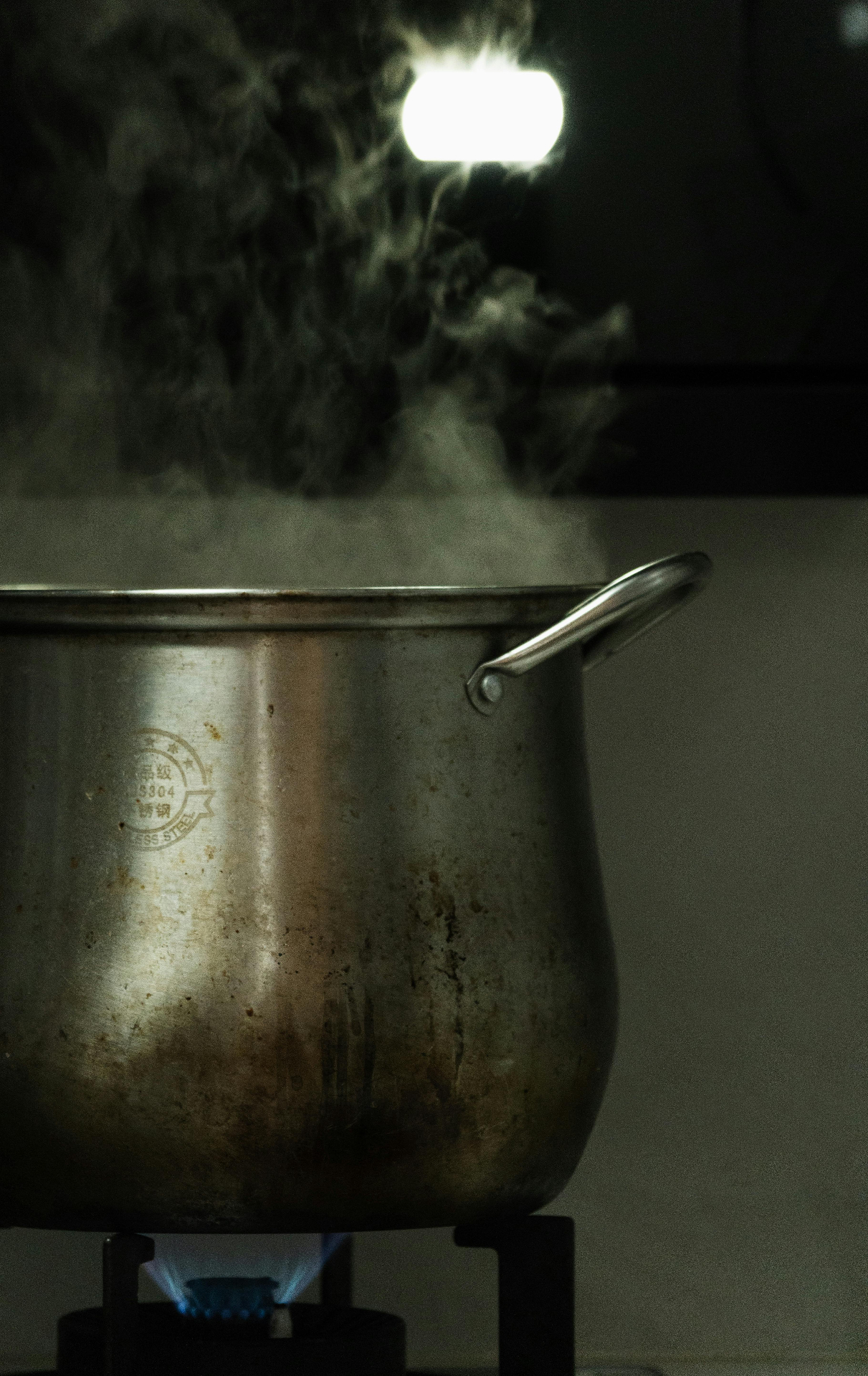
Traditional bone broth requires 18 to 24 hours of slow simmering. That extended cooking time is what extracts collagen, gelatin, glycine, and bioavailable minerals from the bones. Without it, you don't have bone broth — you have flavoured water.
The stick format was designed to solve one problem: convenience. A real bone broth stick takes that 24-hour process, concentrates the result, and lets you reconstitute it in seconds. But many brands use the format as cover for a far simpler product: a powder blend of collagen peptides, salt, and "natural flavours" that was never near a bone.
The format is neutral. What's inside is everything.
What to Look for on the Label
1. Real bone broth as the first ingredient
The ingredient list is the only thing that doesn't lie. If the first ingredient is "bovine collagen", "collagen peptides", or "natural flavour", you're not looking at bone broth — you're looking at a supplement dressed up as food. Real bone broth (chicken bone broth, beef bone broth) should appear first.
2. A long cooking time
Any brand making real bone broth will tell you how long they cook it — because it's a genuine differentiator. 18 hours minimum. 24 hours is the gold standard. If the brand doesn't mention it, ask why.
3. Organic certification
Bones concentrate everything the animal was exposed to during its life — hormones, antibiotics, pesticides. Organic certification isn't a marketing claim. It's the only guarantee that what ended up in the bones is something you want in your body.
4. No additives, fillers, or "natural flavours"
"Natural flavours" is a legally vague term that can include dozens of compounds, including yeast extract and glutamates. A real bone broth needs nothing added. The flavour comes from the bones, the cooking time, and nothing else.
5. Collagen content per serving
A genuine bone broth stick should deliver between 8 and 12 grams of collagen per serving. Below that, you're likely looking at a diluted product — or one that was never properly simmered.
6. A clean mineral profile
Real bone broth is naturally rich in calcium, magnesium, phosphorus, and potassium — extracted from the bones during the long cooking process. These should appear in the nutritional information. If they don't, the product wasn't cooked long enough to extract them.
The Red Flags to Avoid
Maltodextrin — a filler with a high glycemic index, common in powder formats. It adds volume without nutrition.
Yeast extract — a flavour booster that mimics the depth of a long-cooked broth without the cooking. Often listed under "natural flavours".
"Bone broth flavour" — not bone broth. A flavouring compound designed to taste like the real thing.
Extremely low sodium — counterintuitive, but real bone broth contains natural electrolytes including sodium. A product with near-zero sodium was likely never properly simmered.
No mention of cooking time — if a brand doesn't talk about how long they cook their broth, it's usually because the answer isn't impressive.
Bone Broth Stick vs Collagen Powder — What's the Difference?
This is one of the most common points of confusion. Both formats deliver collagen. Both dissolve in hot water. But they are fundamentally different products.
Collagen powder is a supplement — typically hydrolysed collagen peptides extracted and isolated from animal hides or bones. It's highly bioavailable and effective for skin, hair and nails. But it contains only collagen. Nothing else.
A real bone broth stick delivers the full matrix of what a long-simmered broth contains: collagen, yes — but also glycine, glutamine, glucosamine, chondroitin, and a complete mineral profile. It's food, not a supplement. The difference matters if your goal is gut health, joint support, or genuine nourishment rather than just collagen intake. Read more: Bone Broth vs Collagen Supplements — Which Is Actually Better? →
How to Use a Bone Broth Stick
The simplest use: one stick, 250ml of hot water, stir. Drink it as you would a tea or coffee — morning, post-workout, or before bed.
Beyond sipping, a good bone broth stick dissolves cleanly into soups, sauces, risottos, and grains. Because it's concentrated, it adds genuine depth of flavour alongside the nutritional benefits. Read more: How to Use Bone Broth Powder — 7 Ways You Haven't Tried Yet →
How Much Should You Drink Per Day?
One cup daily is enough to experience the benefits over time. Two cups accelerates results, particularly for joint support and gut health. More than that offers diminishing returns for most people.
Consistency matters more than quantity. A single cup every day for 8 weeks will do more than three cups a day for two weeks. Read more: How Much Bone Broth Should You Drink Per Day? →
The Bottom Line
The bone broth stick format is genuinely useful — but only when the product inside is genuine. Check the first ingredient. Look for a cooking time. Verify the organic certification. Ignore the branding and read the label.
“Real bone broth, in a stick, ready in one minute — that's the standard worth holding to.”