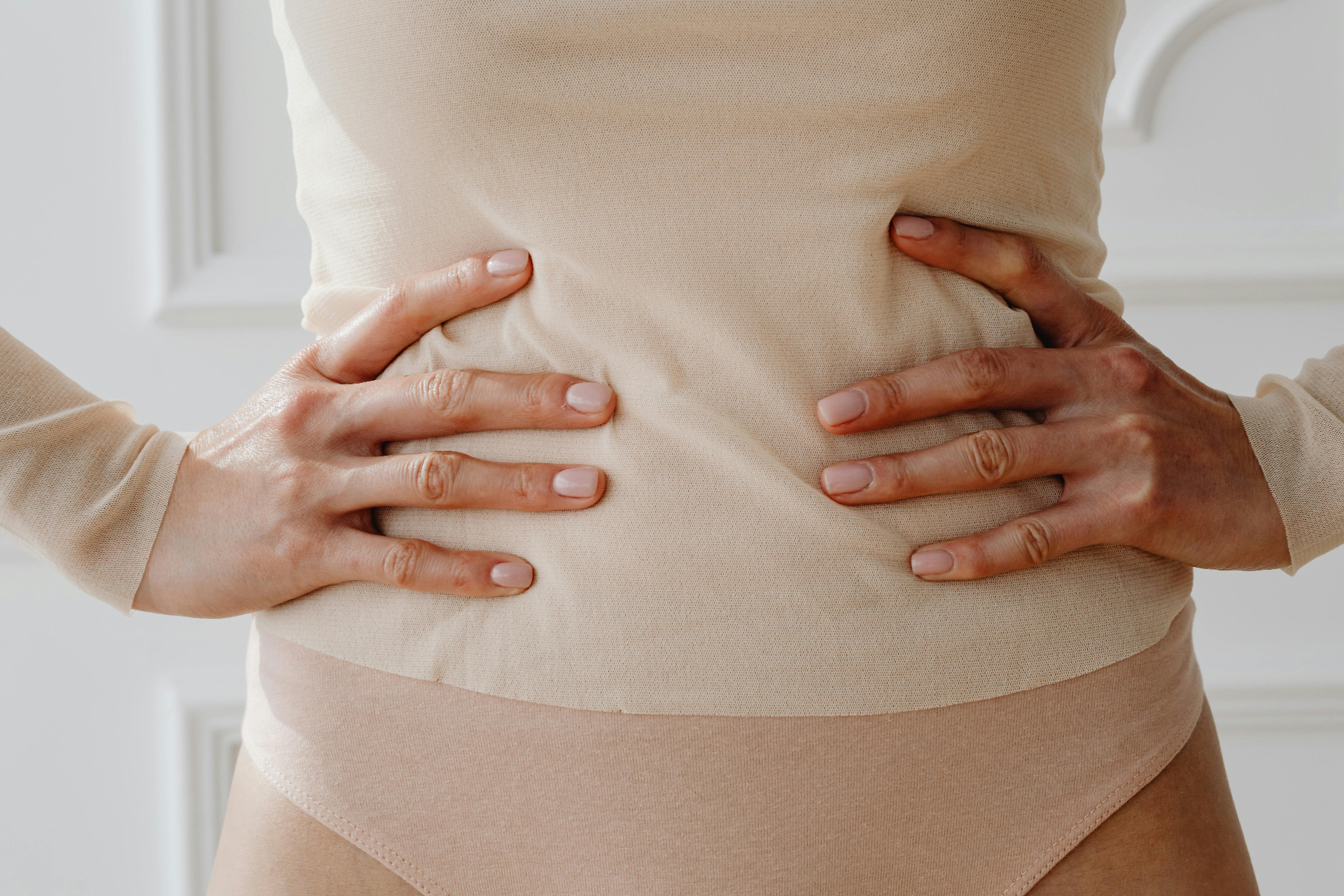
Your Gut Is the Foundation of Everything. And Most People Are Ignoring It.
Skin problems. Fatigue that won't shift. Anxiety that appears from nowhere. Autoimmune flares. Weight that won't budge no matter what you eat.
These conditions look completely unrelated. But they share a common root that modern medicine is only beginning to take seriously: gut dysfunction.
Over the last two decades, research has fundamentally transformed our understanding of the gut. It is no longer seen as a simple digestive tube. It is now understood to be a complex ecosystem — home to 38 trillion microorganisms, producer of 90% of the body's serotonin, and the site of approximately 70% of the immune system.
When the gut is healthy, almost everything else follows. When it isn't, the downstream effects reach every system in the body.
Bone broth is one of the oldest, most studied, and most effective whole-food tools for gut healing. This article explains why — in precise, scientific terms.
The Gut Lining: The Most Important Barrier You've Never Thought About
Your digestive tract is lined with a single layer of epithelial cells, connected by structures called tight junctions. This lining is only one cell thick — the thinnest barrier between the external world and your bloodstream.
Its job is critical: allow nutrients to pass through into the body while keeping everything else — bacteria, undigested food particles, toxins — on the outside.
When this barrier is working correctly, it operates like a precise filter. When it breaks down — a condition known as intestinal permeability, or more colloquially, "leaky gut" — the filter fails. Undigested proteins, bacterial fragments, and inflammatory compounds pass directly into the bloodstream, triggering a systemic immune response.
This systemic inflammation is the mechanism behind a striking range of conditions: IBS, Crohn's disease, eczema, psoriasis, rheumatoid arthritis, depression, chronic fatigue, and increasingly, metabolic disorders including type 2 diabetes and obesity.
A 2021 review published in Frontiers in Immunology concluded that intestinal permeability is "a key factor in the pathogenesis of multiple inflammatory and autoimmune diseases" — and that repairing the gut lining is one of the most impactful interventions available for reducing systemic inflammation.
Bone broth directly addresses this barrier. Here's how.
Gelatin: The Gut Lining's Most Powerful Ally
When bone broth is made correctly — bones simmered for 12 to 24 hours — the collagen in the bones and connective tissue breaks down into gelatin. This is the compound that makes real bone broth set like a jelly when cooled.
Gelatin is not just a structural molecule. In the gut, it performs several critical functions:
It physically coats and soothes the gut lining. Gelatin forms a viscous gel in the digestive tract that acts as a protective layer over the intestinal epithelium, reducing irritation and inflammation. This is particularly relevant for people with IBS, Crohn's, or colitis, where the gut lining is chronically inflamed.
It supports the regeneration of tight junctions. Research published in the Journal of Clinical Gastroenterology found that gelatin supplementation significantly improved intestinal barrier function in subjects with increased permeability, measured by the lactulose-mannitol ratio — the gold standard test for leaky gut.
It feeds beneficial gut bacteria. Gelatin acts as a prebiotic — a substrate that feeds the beneficial bacteria in your microbiome. A healthy microbiome is the foundation of a healthy gut lining, and the two are in a mutually reinforcing relationship.
It slows gastric emptying. By slowing the rate at which food moves through the digestive tract, gelatin reduces the inflammatory load on the gut lining and improves nutrient absorption. This mechanism also contributes to the powerful satiety effect of bone broth.
The key word here is real bone broth. The gelatin in bone broth is a whole-food compound embedded in a complex nutritional matrix. It is not the same as gelatine powder from a packet, which is processed, stripped of cofactors, and produces inconsistent gut health results.
Glutamine: The Gut's Primary Fuel Source
If gelatin is the builder, glutamine is the fuel.
Glutamine is the most abundant amino acid in the human body and the primary energy source for enterocytes — the cells that line the intestinal wall. When the gut is under stress, inflamed, or recovering from damage, its demand for glutamine increases dramatically.
Bone broth is one of the richest dietary sources of glutamine available.
Research has shown that glutamine:
Maintains and restores tight junction integrity — directly reducing intestinal permeability. A landmark study published in Gut found that glutamine supplementation reduced intestinal permeability by 50% in critically ill patients.
Reduces gut inflammation by inhibiting the NF-κB signalling pathway, one of the primary drivers of intestinal inflammation.
Supports the mucus layer — the protective coating that sits on top of the gut epithelium and acts as the first line of defence against pathogens.
Accelerates gut recovery after infections, antibiotics, NSAIDs, and other gut-damaging insults.
For athletes, glutamine is also critical for preventing exercise-induced gut permeability — a well-documented phenomenon where intense training temporarily damages the gut lining. Consuming bone broth before or after training provides glutamine precisely when the gut needs it most.
Glycine: The Anti-Inflammatory Amino Acid Your Gut Needs
Glycine is the most abundant amino acid in collagen and is present in high concentrations in bone broth. Its role in gut health is less discussed than glutamine or gelatin — but it may be equally important.
Glycine is a powerful anti-inflammatory agent. It works by inhibiting the activation of macrophages — the immune cells that drive gut inflammation in conditions like Crohn's disease, ulcerative colitis, and IBS.
A study published in Amino Acids demonstrated that glycine supplementation significantly reduced inflammatory markers in the gut mucosa of subjects with inflammatory bowel conditions, with results comparable to low-dose anti-inflammatory medication — without the side effects.
Glycine also supports the production of glutathione — the body's most powerful antioxidant — which protects the gut lining from oxidative damage. And as discussed in our sleep article, glycine improves sleep quality, and poor sleep is one of the most significant but overlooked drivers of gut dysfunction.
This last point deserves emphasis: gut health and sleep quality are bidirectionally linked. Poor sleep disrupts the gut microbiome. A disrupted microbiome impairs sleep. Bone broth — through its glycine content — addresses both simultaneously.
The Gut-Brain Axis: Why Your Gut Health Affects Your Mind
No discussion of gut health is complete without the gut-brain axis — the bidirectional communication network between the enteric nervous system (the gut's own nervous system, containing more neurons than the spinal cord) and the central nervous system.
The gut produces approximately 90% of the body's serotonin — the neurotransmitter most associated with mood, emotional regulation, and wellbeing. It also produces significant quantities of GABA, dopamine precursors, and other neuroactive compounds that directly influence brain function.
When the gut is inflamed and the microbiome is dysbiotic, this production is impaired. The result is not just digestive discomfort — it is anxiety, depression, brain fog, and emotional dysregulation. This mechanism explains the striking statistical overlap between gut disorders and mental health conditions: people with IBS are three times more likely to experience anxiety or depression than those without.
Bone broth supports the gut-brain axis through multiple mechanisms:
Gelatin heals the gut lining, reducing the inflammatory signals that impair serotonin production.
Glycine directly modulates NMDA receptors in the brain, reducing anxiety and improving stress resilience.
Glutamine supports the gut microbiome, which produces the neurotransmitter precursors that regulate mood.
Drinking bone broth is not just a gut health intervention. It is a mental health intervention — one with a direct mechanistic basis.
What Results Can You Realistically Expect?
Gut healing is not linear, and the timeline varies significantly depending on the severity of existing gut dysfunction. Here is what consistent, daily bone broth consumption typically produces:
Week 1-2: Reduction in bloating and gas. Many people notice this first — the gelatin begins coating the gut lining and reducing fermentation of undigested food. Some people experience a brief increase in symptoms in the first few days as the microbiome adjusts.
Week 3-4: Improved bowel regularity and reduced urgency. The glutamine begins restoring tight junction integrity. People with IBS or loose stools typically notice the most dramatic early improvements here.
Week 5-8: Systemic effects begin to emerge — better skin clarity, improved energy, reduced joint inflammation. These are downstream effects of reduced systemic inflammation as the gut lining heals.
Week 8-12: Significant improvements in gut-associated conditions — eczema, psoriasis, food sensitivities, and autoimmune symptoms. This is where people who have struggled for years start to notice meaningful, lasting change.
Important: these timelines assume daily consumption of high-quality bone broth. One the Osso stick per day, consistently, is sufficient to produce these results. Inconsistent consumption produces inconsistent results — the gut responds to sustained nutritional support, not occasional intervention.
How to Maximise Bone Broth's Gut Health Benefits
Drink it on an empty stomach. Consuming bone broth before food allows the gelatin and glutamine to reach the gut lining without competing with other nutrients for absorption. Morning, first thing, is optimal.
Be consistent. Gut healing requires sustained nutritional support. The compounding effect of daily bone broth over 8-12 weeks is dramatically greater than the same quantity consumed sporadically.
Pair it with fermented foods. Bone broth heals the gut lining; fermented foods (yogurt, kefir, sauerkraut, kimchi) repopulate it with beneficial bacteria. The combination is more powerful than either alone.
Eliminate gut irritants while healing. Bone broth works best when it's not constantly fighting against ongoing gut damage from alcohol, NSAIDs, highly processed foods, and chronic stress.
Choose quality. The gelatin and glutamine content of bone broth depends entirely on the quality of the bones and the cooking time. Bone broth cooked for 18 hours from organic bones contains meaningfully more gut-healing compounds than a commercial stock product cooked for 2 hours.
“One stick. One minute. Eighteen hours of gut-healing nutrition. Pre-order the Osso organic bone broth at the-osso.com. Shipped across Europe.”
Frequently asked questions
- Does bone broth actually heal leaky gut?
- The clinical evidence is strong. Gelatin has been shown to improve intestinal barrier function. Glutamine reduces permeability by 50% in some studies. Glycine reduces gut inflammation. No single food heals leaky gut alone — but bone broth addresses the condition through more mechanisms than any other whole food.
- How long does it take for bone broth to heal the gut?
- Most people notice digestive improvements within 1-2 weeks. More significant gut healing — reduced food sensitivities, improved skin, reduced inflammation — typically takes 8-12 weeks of daily consumption.
- Can bone broth help with IBS?
- Yes — through multiple mechanisms. The gelatin soothes the gut lining. The glutamine repairs tight junctions. The glycine reduces gut inflammation. Many people with IBS report significant symptom reduction after 4-6 weeks of daily bone broth consumption.
- Is bone broth good for the microbiome?
- Yes. Gelatin acts as a prebiotic, feeding beneficial gut bacteria. Glycine reduces the inflammatory environment that allows harmful bacteria to thrive. Over time, consistent bone broth consumption supports a more diverse and balanced microbiome.
- Can I drink bone broth if I have Crohn's disease or ulcerative colitis?
- Bone broth is generally well tolerated in inflammatory bowel conditions and may reduce symptoms through its anti-inflammatory and gut-healing properties. However, you should always consult your gastroenterologist before making significant dietary changes if you have a diagnosed inflammatory bowel condition.
- How much bone broth do I need for gut health benefits?
- One serving per day (one the Osso stick in 200ml of hot water) is sufficient to provide meaningful gut health benefits. Consistency over time matters far more than volume per serving.